The Future of Copywriting in the Era of AI: How the Role of Copywriters is Changing and What It Means for the Profession
The world of copywriting is undergoing a transformation like never before. With the rise of artificial intelligence (AI) and machine learning, the way brands create and deliver messages is evolving at a rapid pace. In 2023, the global AI market reached an estimated $207.9 billion, a number that is projected to double by 2027. As AI-powered content generators, language models, and automated marketing platforms become more sophisticated, the role of copywriters is shifting, challenging professionals to adapt, innovate, and redefine their value.
But does this technological revolution mean the end of human copywriters? Or does it signal a new era—one where human creativity and AI capabilities combine to set new standards in content creation? In this article, we’ll explore how the copywriting profession is changing in the AI era, what new skills are required, and what the future holds for copywriters worldwide.
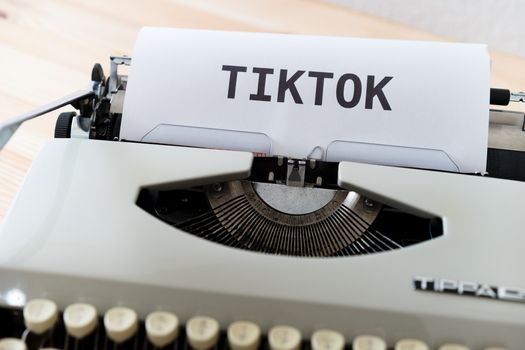
The Evolution of Copywriting: From Typewriters to Algorithms
Copywriting has always evolved alongside technology. In the early 20th century, copywriters relied on typewriters and print media to craft persuasive messages. The advent of radio, television, and eventually the internet ushered in new formats and challenges—each demanding fresh approaches and skills.
Today, AI is the latest game-changer. Tools like GPT-4, Jasper, and Copy.ai can generate web copy, emails, ad headlines, and even long-form articles within seconds. According to a 2023 survey by HubSpot, 63% of marketers are already using AI tools to support their content strategies. These platforms can analyze vast datasets, optimize for SEO, and mimic brand voices with increasing accuracy.
Yet, despite these advances, the heart of effective copywriting remains human: understanding audience psychology, crafting authentic narratives, and building emotional connections. The future, therefore, isn’t about AI replacing copywriters, but about redefining the boundaries of what copywriters do.
How AI is Reshaping the Copywriter’s Daily Workflow
AI’s impact on the copywriter’s daily routine is profound. Tasks that once took hours—such as researching keywords, generating headlines, or drafting product descriptions—can now be completed in minutes. This automation frees up time for higher-level activities, such as strategy, brand storytelling, and creative ideation.
Here’s a comparison of traditional copywriting tasks vs. AI-augmented workflows:
| Copywriting Task | Traditional Approach | AI-Augmented Approach |
|---|---|---|
| Keyword Research | Manual analysis, SEO tools | Instant AI-driven recommendations |
| Headline Generation | Brainstorming, A/B testing | Automated suggestions, performance prediction |
| First Draft Creation | Writing from scratch | AI-generated drafts within seconds |
| Brand Tone Adherence | Manual referencing of guidelines | AI trained on brand voice, automated adaptation |
| Content Personalization | Manual segmentation, limited scale | Dynamic personalization at scale, real-time adaptation |
Rather than eliminating jobs, AI is transforming the copywriter’s role from execution to orchestration. Copywriters now spend less time on repetitive tasks and more on overseeing content quality, refining messaging, and ensuring alignment with broader marketing goals.
The Rise of Hybrid Copywriters: Skills for the Next Decade
To thrive in the era of AI, copywriters must evolve into “hybrid professionals”—combining traditional writing expertise with digital fluency and data literacy. The demand for copywriters who can collaborate with AI is on the rise, with LinkedIn reporting a 40% year-over-year increase in job postings mentioning “AI content” or “content automation” skills in 2023.
Key skills shaping the future copywriter include:
1. $1: Understanding how to leverage tools like ChatGPT, Jasper, and SurferSEO to generate, optimize, and analyze content. 2. $1: Training AI outputs to meet specific brand standards, correcting nuances, and ensuring factual accuracy. 3. $1: Developing content strategies that balance automation with authentic storytelling and brand differentiation. 4. $1: Reading analytics to understand content performance and iteratively improve messaging. 5. $1: Navigating challenges like plagiarism, misinformation, and bias in AI-generated content.An example of this shift can be seen at major agencies like Ogilvy, where dedicated “AI content specialists” now work alongside traditional copywriters to maximize efficiency and creativity.
Creativity and Empathy: The Human Edge in an Automated World
Despite AI’s impressive capabilities, certain dimensions of copywriting remain uniquely human. Creativity, empathy, and cultural sensitivity cannot be fully replicated by algorithms. According to a 2024 Adobe study, 78% of consumers say they are more likely to trust content that feels personal and authentic—something that still requires a human touch.
AI can analyze data, suggest optimizations, and even mimic writing styles, but it struggles with:
- Creating truly original concepts - Understanding complex cultural nuances - Responding to rapidly changing social contexts - Infusing humor, emotion, or subtlety in ways that resonate deeplyFor example, when Nike launched its “You Can’t Stop Us” campaign during the COVID-19 pandemic, it wasn’t just the clever wordplay or seamless editing that made it memorable—it was the cultural relevance, empathy, and emotional power of the messaging. These are areas where human copywriters continue to excel and add irreplaceable value.
New Opportunities: Niche Specialization and Creative Leadership
Far from being threatened by AI, many copywriters are discovering new avenues for growth. As automation handles routine writing, demand is increasing for specialists in areas that require deep subject matter expertise or creative leadership.
Emerging opportunities include:
- $1: Leading narrative development across multimedia campaigns - $1: Designing holistic, long-term content plans that integrate AI and human creativity - $1: Training AI systems to accurately reflect complex brand personalities - $1: Ensuring transparency, inclusivity, and compliance in automated content - $1: Adapting messaging for global audiences with cultural sensitivityIn fact, the U.S. Bureau of Labor Statistics projects a 7% growth in writing and editing jobs from 2022 to 2032, driven in part by the need for highly specialized and strategic roles in content creation.
What This Means for the Profession: Adaptation and Resilience
The era of AI is not the end of copywriting—it’s the beginning of a new chapter. Copywriters who embrace change, develop new skills, and leverage technology are well-positioned to lead the profession into a future defined by innovation and impact.
Key takeaways for the profession include:
- $1: Staying current with technology trends and upskilling in both AI tools and creative techniques. - $1: Working alongside AI, not against it, to produce more effective, data-driven, and emotionally resonant content. - $1: Shifting focus from volume to value—emphasizing strategy, originality, and brand differentiation. - $1: Guiding the responsible use of AI in content creation, from avoiding plagiarism to promoting inclusivity.Ultimately, the future belongs to copywriters who are adaptable, tech-savvy, and committed to elevating the human side of communication.