AI has rapidly transformed the way content is created, distributed, and consumed globally. One of the most profound impacts of artificial intelligence (AI) is its ability to enable content creation across diverse language environments. Whether you’re a multinational brand, an educational provider, or a local business aiming to reach new audiences, AI-powered tools can break down language barriers, streamline multilingual content production, and ensure that your message resonates worldwide.
This article explores how AI assists in creating content for various language environments, highlighting the technologies involved, real-world applications, and the significant benefits and challenges faced by businesses and creators. We’ll also compare leading AI-powered language tools and answer key questions about the evolving landscape of multilingual content creation.
The Global Challenge of Multilingual Content Creation
The internet connects over 5.3 billion people worldwide, yet only about 25% of web content is in English, while over 75% of users prefer to browse in their native language. For global organizations, creating and managing content in multiple languages isn’t just preferable—it’s essential for growth and inclusivity.
However, traditional multilingual content creation faces several obstacles:
- High translation costs: Professional human translation can cost anywhere from $0.10 to $0.25 per word, making large-scale projects expensive. - Time constraints: Translating documents, websites, or marketing material into multiple languages can take weeks or months. - Quality and consistency: Ensuring brand voice, legal accuracy, and localized tone across languages requires expert oversight. - Talent shortages: Skilled translators and editors for niche or less common languages are often hard to find.AI technology addresses these hurdles by automating and enhancing the process, making high-quality multilingual content more accessible and scalable than ever before.
How AI Understands and Processes Human Languages
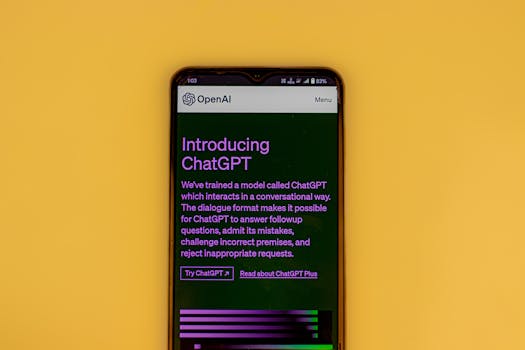
The backbone of AI-driven content creation in multiple languages is Natural Language Processing (NLP). NLP enables computers to understand, interpret, and generate human language. Recent advancements in this field, such as large language models (LLMs) like OpenAI’s GPT-4 and Google’s BERT, have revolutionized multilingual content creation.
Key capabilities of AI-powered language models include:
- Machine Translation: Modern AI translation engines, like Google Translate or DeepL, use neural networks to deliver more accurate and context-aware translations than earlier rule-based systems. - Multilingual Text Generation: AI can generate content directly in multiple languages, not just translate from a source text, leading to more natural and idiomatic results. - Sentiment and Context Analysis: AI can analyze text for tone, sentiment, and cultural nuances, ensuring content is appropriate for target audiences. - Named Entity Recognition and Localization: AI identifies and adapts names, places, currencies, and measurements to fit local conventions.For example, DeepL’s neural translation engine is trained on over a billion sentences, allowing it to capture subtle linguistic nuances in 31 languages, while GPT-4 can generate fluent, contextually rich content in more than 25 major languages.
Real-World Applications: AI’s Role in Multilingual Content Creation
AI-driven content creation is not just a theoretical concept—it’s already reshaping industries and workflows. Here are some notable use cases:
- E-commerce: Global retailers like Amazon and Alibaba use AI to automatically translate product descriptions, reviews, and FAQs, enabling seamless shopping experiences for users in over 100 languages. - News & Media: Outlets such as BBC and Reuters employ AI tools to instantly translate breaking news, ensuring timely reporting across continents. - Education: EdTech platforms use AI to localize course materials, subtitles, and assessments, making learning accessible to millions of non-English speakers. - Customer Support: AI chatbots support real-time multilingual conversations, cutting response times and expanding service capabilities.A 2022 study by Common Sense Advisory found that companies investing in AI-powered localization see an average 1.5x increase in international web traffic and a 30% reduction in translation costs.